

Dog Diversity is committed to ethical, welfare-first dog grooming education. Our Code of Ethical Practice sets out the standards that guide how we teach, supervise, and work with dogs in a live training environment. These principles exist to protect animal wellbeing while supporting students to develop confident, compassionate, and skilled handling practices.
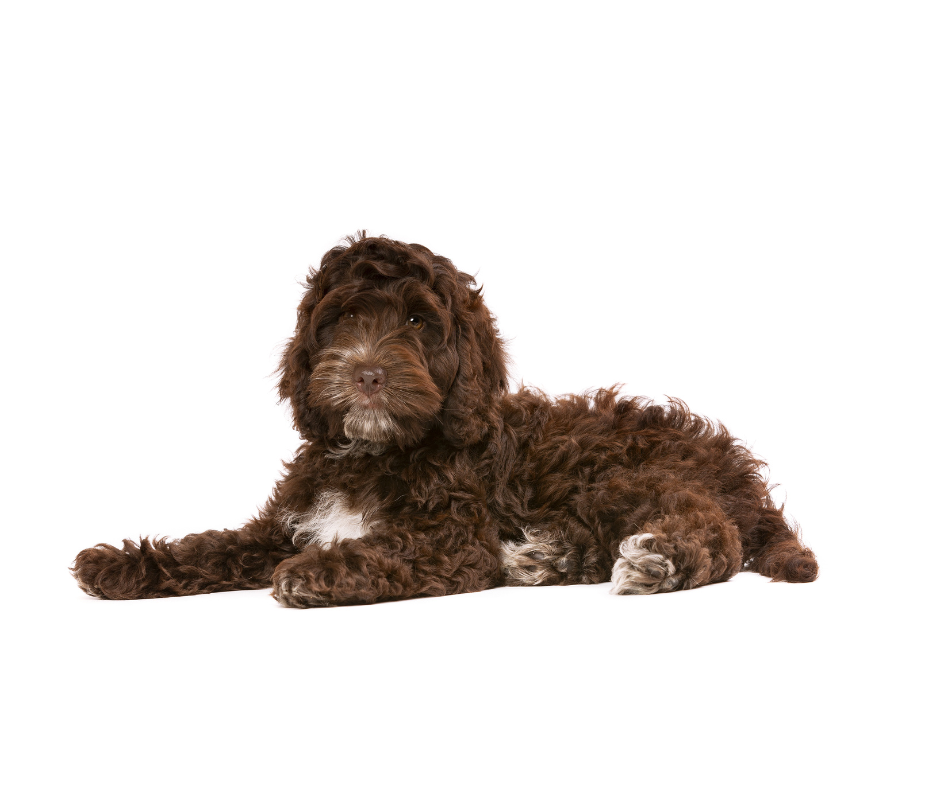
CODE OF ETHICAL PRACTICE
Our Commitment to Animal Welfare
Dog Diversity prioritises the physical and emotional wellbeing of every dog involved in training. Dogs are assessed individually for suitability, monitored throughout each session, and removed from training if welfare, comfort, or safety is compromised.
Ethical Dog Grooming Education
We teach humane, low-stress handling as a core skill, not an optional technique. Students learn to recognise emotional thresholds, adapt their approach, and make welfare-led decisions under the guidance of experienced educators.
Supervised Practical Training
All student grooms are closely supervised by qualified educators, with a maximum ratio of two students to one trainer. This ensures individual guidance, close observation, and a strong focus on animal wellbeing throughout each session.
Compliance With Australian Animal Welfare Standards
Dog Diversity operates in accordance with Australian animal welfare legislation and industry guidelines, including:
Prevention of Cruelty to Animals Act 1986
Domestic Animals Act 1994
Pet Industry Association of Australia guidelines
The Five Freedoms of Animal Welfare
Our training framework aligns with the Five Freedoms of Animal Welfare, including freedom from fear and distress. These principles inform daily teaching, supervision, and decision-making within our practical programs.
These standards underpin all training delivered at Dog Diversity and reflect our commitment to developing professional standards in grooming.